


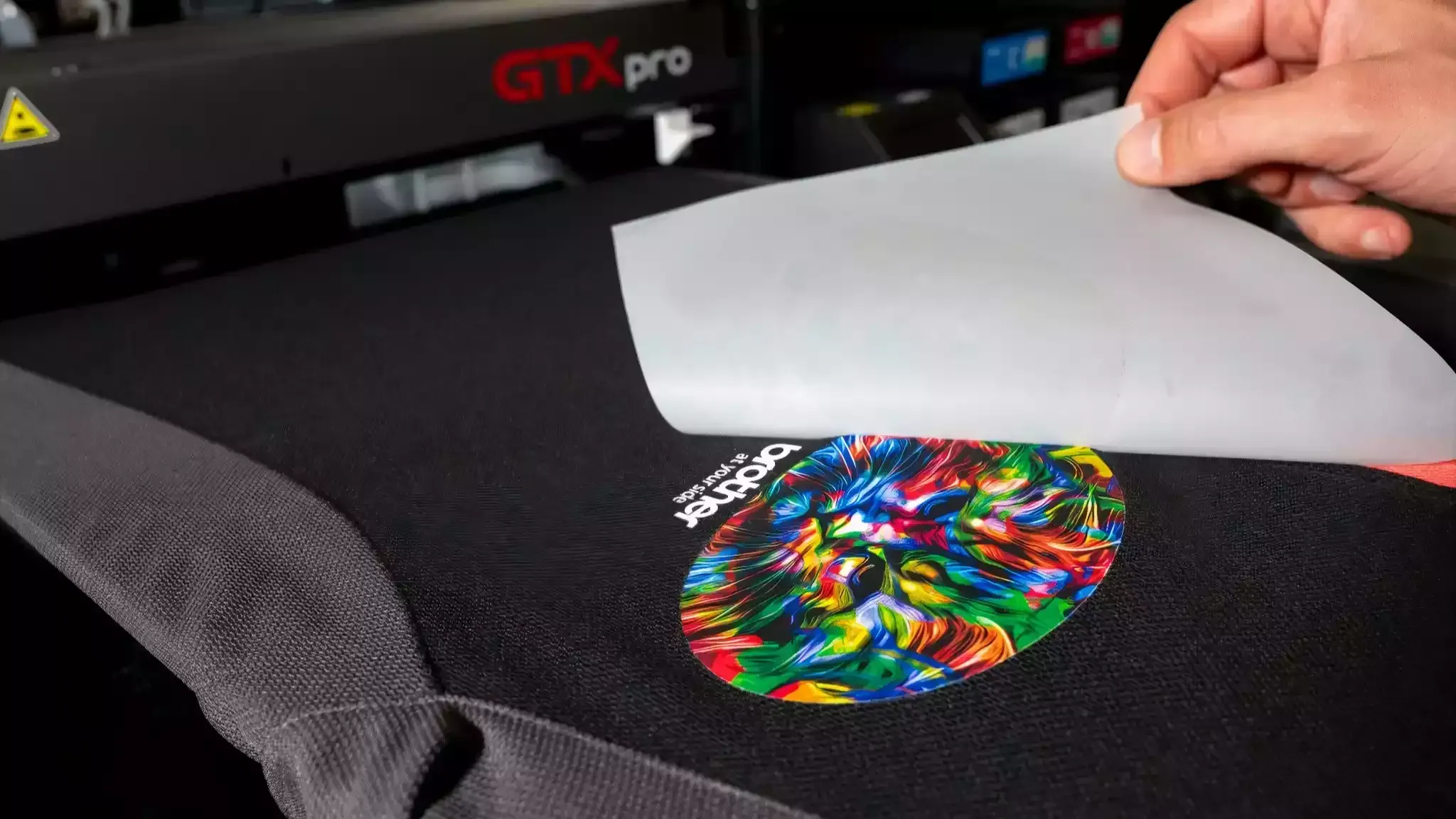
DTF printing, short for Direct-to-Film printing, is revolutionizing the way we produce custom apparel and other textile products. This innovative printing method involves transferring designs from a specialized film onto fabric, allowing for exceptional versatility and quality. With the rise of DTF supplies, brands can take advantage of its numerous benefits, including cost-effectiveness and eco-friendly printing options. As sustainability becomes increasingly important, DTF printing emerges as a responsible alternative to traditional techniques, appealing to environmentally conscious consumers. Whether for fashion startups or established businesses, incorporating DTF printing can enhance product offerings and resonate with the demand for personalized, high-quality designs.
Direct-to-Film (DTF) technology is setting new standards in the custom printing landscape, merging artistic expression with advanced printing techniques. This innovative approach leverages a special film to capture vibrant designs, which are then heat-transferred onto various fabric types, making it a preferred choice for those involved in custom apparel production. With an emphasis on quality, durability, and environmental responsibility, DTF printing has proven to be a crucial player in the modern textile industry. Alternative terms such as eco-conscious printing and innovative fabric design encapsulate the essence of DTF, highlighting its potential to cater to diverse creative needs. As the demand for tailored solutions grows, technologies like DTF are essential in shaping the future of apparel and design.
The Transformative Nature of DTF Printing
Direct-to-Film (DTF) printing represents a breakthrough in the world of textile printing, revolutionizing how designs are applied to fabric. This innovative method allows for high-quality prints on a variety of materials, including cotton, polyester, and blends of textiles. One of the critical aspects of DTF printing is its ability to cater to intricate designs, which traditional methods like screen printing may struggle to achieve. The flexibility this technology offers enables businesses to adapt quickly to fashion trends and consumer demands, making it a favorite among custom apparel producers.
The transition from conventional printing techniques to DTF is not just a technical upgrade; it symbolizes a shift towards a more agile and responsive manufacturing process. Companies that implement DTF printing can significantly reduce turnaround times, enabling them to respond rapidly to market changes and customer preferences. This adaptability is crucial in today’s fast-paced consumer environment, where personalization and unique design are paramount.
Benefits of DTF Supplies in Custom Apparel
Utilizing DTF supplies in custom apparel printing provides a myriad of advantages that appeal to both print providers and consumers. For starters, DTF supplies simplify the overall printing process, requiring less manual labor and streamlining operations across the board. This efficiency not only reduces production costs but also enhances the potential for profit margins, especially for businesses focused on small to medium runs.
Moreover, DTF printing’s eco-friendly nature has garnered attention in an industry increasingly focused on sustainable practices. With its reliance on water-based inks and a lower environmental footprint compared to traditional methods, businesses can proudly market their products to environmentally-conscious consumers. This alignment with eco-friendly principles helps brands to build a positive reputation in the market, further driving consumer interest.
Cost Efficiency of DTF Printing Compared to Traditional Methods
One of the standout features of Direct-to-Film printing is its cost efficiency, making it a viable choice for emerging and established businesses alike. When comparing DTF to traditional methods such as Direct-to-Garment (DTG) or screen printing, it is evident that DTF often incurs lower upfront costs while providing exceptional quality prints. This lower barrier to entry encourages entrepreneurs to explore custom printing options without the burden of hefty investments in equipment or materials.
In addition to initial expenses, DTF printing minimizes material waste, further contributing to its cost-effectiveness. The process allows for quick adjustments and edits to designs without necessitating extensive setup changes. This efficiency not only cuts down on material costs but also streamlines the workflow, ensuring that businesses can maintain a steady output and meet varying customer demands effectively.
Quality and Durability of DTF Prints
The advancements in ink technology for DTF printing have significantly improved the quality and durability of prints. Businesses can now offer products that not only look vibrant but maintain their integrity over repeated washes and wears. DTF prints are known for their exceptional color fidelity, which supports a broader range of designs and ensures that customers receive high-quality products that can stand the test of time.
Moreover, the durability of DTF prints translates to higher customer satisfaction and repeat purchases, as consumers are less likely to experience fading or peeling of designs. This longevity is a critical factor in building brand loyalty, as customers tend to return to companies that provide lasting quality and satisfaction in their custom apparel printing.
Environmental Benefits of DTF Printing
In an era where sustainability is increasingly valued, DTF printing stands out as a forward-thinking solution. The use of water-based inks minimizes harmful chemicals often found in traditional printing processes, making DTF an appealing choice for eco-conscious brands. This commitment to safer materials resonates with consumers who prioritize environmental responsibility in their purchasing decisions.
Additionally, DTF printing’s lesser impact on the environment aligns seamlessly with the growing trend of sustainable fashion. Brands utilizing DTF technology can highlight their eco-friendly practices, creating a competitive advantage in a market that is rapidly favoring sustainability. As consumers become more aware of their environmental footprints, the demand for such innovations in printing technology is only expected to rise.
Trends Shaping the Future of DTF Printing
As the DTF printing market continues to evolve, several key trends are emerging that are shaping its future. The rising demand for personalized products in the textile industry is driving more businesses to adopt DTF technology, allowing for unique designs tailored to individual preferences. This shift towards customization signifies an important cultural change in consumer behavior, where buyers seek one-of-a-kind items that reflect their own identities.
Another significant trend is the integration of advanced technology into DTF printing processes. With continuous innovations, manufacturers are pushing the boundaries of print speed and quality. Enhanced software solutions that improve color management and user experience are making DTF printing more accessible to small businesses and independent creators. As these trends expand, DTF printing is poised to become a dominant force in the textile printing landscape, setting new standards for quality and personalization.
Frequently Asked Questions
What is DTF printing and how does it work?
Direct-to-Film (DTF) printing is a modern printing technique that transfers images from a film to fabric using heat. This method allows for printing on various materials, incorporating vibrant colors and durability, making it ideal for custom apparel.
What are the advantages of using DTF supplies for custom apparel printing?
DTF supplies offer several key benefits, including versatility in fabric types, cost-effectiveness with lower setup costs, and high-quality prints that are long-lasting. These factors make DTF printing an attractive option for businesses looking to create custom apparel.
Is DTF printing eco-friendly compared to other printing methods?
Yes, DTF printing is considered eco-friendly, as it primarily uses water-based inks that are less harmful to the environment. This aligns with the growing demand for sustainable printing solutions among consumers and businesses.
How does the cost of DTF printing compare to direct-to-garment (DTG) printing?
DTF printing is generally more cost-effective than DTG printing, particularly for small to medium production runs. With lower initial investment and reduced ink usage, DTF systems help businesses minimize their production costs.
What types of fabrics can be used with DTF printing?
DTF printing is versatile and can be applied to a wide range of fabrics, including cotton, polyester, and blends. This adaptability makes it suitable for various custom apparel applications.
What are the latest trends in the DTF printing market?
The DTF printing market is experiencing growth driven by increasing demand for personalized products and custom apparel, particularly in the e-commerce space. Innovations in technology are also improving print speeds and quality, making DTF more appealing to businesses.
| Key Point | Details |
|---|---|
| Versatility and Adaptability | DTF printing accommodates a wide range of fabrics, enhancing design possibilities and flexibility for businesses. |
| Cost-Effectiveness | DTF incurs lower initial investment costs and minimizes production costs, making it attractive for startups. |
| Quality and Durability | DTF inks and films offer high durability and vibrancy, ensuring longevity of prints even after repeated washings. |
| Environmental Considerations | Utilizes water-based inks, presenting a more eco-friendly alternative to traditional printing methods. |
| Market Growth and Trends | Rising demand for personalized products is driving the growth of the DTF market, especially influenced by e-commerce. |
| Technological Innovations | Advancements in printer technology are enhancing DTF printing efficiency and effectiveness. |
Summary
DTF printing is revolutionizing the world of printing by combining versatility, efficiency, and sustainability into a single process. As businesses increasingly look for innovative ways to meet consumer demands for customization and eco-friendliness, DTF supplies have emerged as a game changer in the industry. With their ability to print on a diverse range of fabrics and produce high-quality images, DTF printing not only meets modern aesthetic standards but also addresses environmental concerns through the use of water-based inks. As the technology continues to evolve and gain traction in the market, we can expect DTF printing to play a pivotal role in shaping the future of personalized textile products, ensuring that it remains at the forefront of printing innovation.