


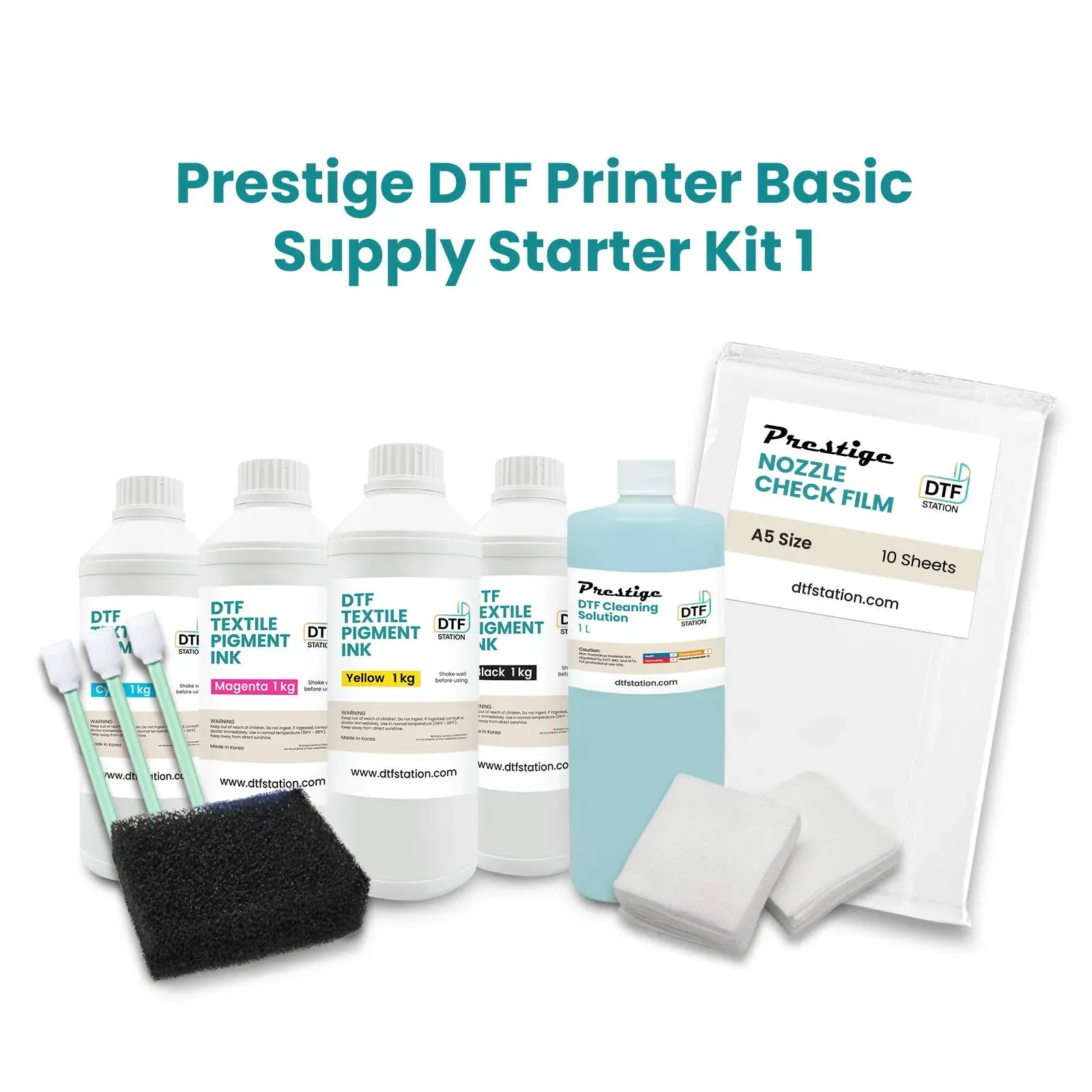
In the world of digital printing, DTF supplies are becoming a game-changer for businesses seeking high-quality, resilient prints. Direct-to-Film printing, or DTF printing, allows for vibrant designs to be transferred onto various substrates with remarkable durability, making it a preferred choice for many artists and entrepreneurs alike. By understanding the essential components required for DTF, such as specialized DTF inks, reliable DTF printers, and effective heat press supplies, users can optimize their printing processes and achieve stunning results. As the demand for vivid and long-lasting prints increases, investing in quality DTF supplies is more important than ever. This comprehensive guide will delve into the intricacies of DTF printing, exploring the materials and technologies that drive its success.
Direct-to-Film (DTF) printing, also known as Direct Film printing, represents a significant advancement in the realm of textile decoration. This innovative method enables users to print directly onto special films, which are then transferred to fabrics, resulting in exceptional print quality and longevity. Understanding the different components essential for successful DTF operations is crucial for producers looking to harness this technology effectively. From choosing the right DTF inks to utilizing proper heat press machines, each element plays a vital role in creating impressive, durable designs. While DTF supplies are pivotal, familiarity with the processes and materials linked to this printing technique enhances overall results.
Understanding the DTF Printing Process
Direct-to-Film (DTF) printing revolutionizes the way designs are transferred onto fabrics and materials. Unlike traditional methods that directly print onto the fabric, DTF printing utilizes a unique film that acts as an intermediary. This means that designs are initially printed onto a specialized transfer film with top-quality DTF inks before being heat-pressed onto the substrate. The process ensures vibrant colors and intricate details, making it a popular choice in apparel and merchandise printing.
The success of DTF printing hinges on several factors, including the DTF printer’s capabilities, the quality of inks used, and the type of transfer film selected. Each component must work in harmony to achieve stunning results that are both durable and appealing. As users learn to navigate these elements, they often discover new ways to enhance their printing projects.
Frequently Asked Questions
What are the essential components of DTF supplies for successful printing?
The essential components of DTF supplies include DTF printers, specialized DTF inks, transfer films, adhesive powder, and heat press machines. Each element plays a critical role in ensuring high-quality and durable prints during the DTF printing process.
How do DTF inks impact the quality of prints in Direct-to-Film printing?
DTF inks are specially formulated with polymers that enhance adhesion to fabrics. This is crucial for achieving vibrant colors and durability. High-quality DTF inks contribute significantly to the longevity of prints, even after washing and wear.
What features should I look for in DTF printers?
When selecting a DTF printer, consider factors such as print resolution, speed, and color management capabilities. Brands like Epson and Mutoh are known for reliable models. Optimizing printer settings is also key for producing high-quality results in DTF printing.
Why is the choice of transfer films important in the DTF printing process?
The choice of transfer films directly affects the final look and feel of the prints. Films must endure high temperatures and prevent color bleeding. Select films that offer stretchability and softness for applications on textiles, ensuring they are compatible with your fabric types.
How does adhesive powder contribute to the DTF printing process?
Adhesive powder is applied to the printed design on the transfer film and is activated during the heat transfer process. This powder binds the ink to the fabric, ensuring long-lasting adhesion and durability of the print. Correct application timing is crucial for optimal results.
What role does a heat press machine play in DTF printing?
A heat press machine is essential for transferring the ink from the DTF film to the substrate. Modern heat presses provide adjustable settings for temperature and pressure, which are vital for achieving consistent and high-quality transfers in the DTF printing process.
| Key Components | Description |
|---|---|
| DTF Printers | Advanced inkjet technology from brands like Epson and Mutoh, crucial for quality printing. |
| DTF Inks | Specialized inks designed for strong adhesion and durability on substrates. |
| Transfer Films | Films must resist high temperatures while providing a quality finish, with options for stretchability. |
| Adhesive Powder | Binds ink to fabric during heat application, vital for print longevity. |
| Heat Press Machines | Controls temperature and pressure for consistent transfers; maintenance is key for longevity. |
Summary
DTF supplies are crucial for achieving vibrant and durable prints in the burgeoning field of Direct-to-Film printing. This innovative method not only allows for high-quality transfers but also includes essential components such as specialized printers, inks, transfer films, and adhesive powders. Understanding these supplies can greatly enhance printing outcomes, paving the way for eco-friendly options as sustainability takes center stage in the industry. As a result, businesses and creators can capitalize on the expanding market while ensuring products meet consumer expectations for quality and environmental responsibility.