


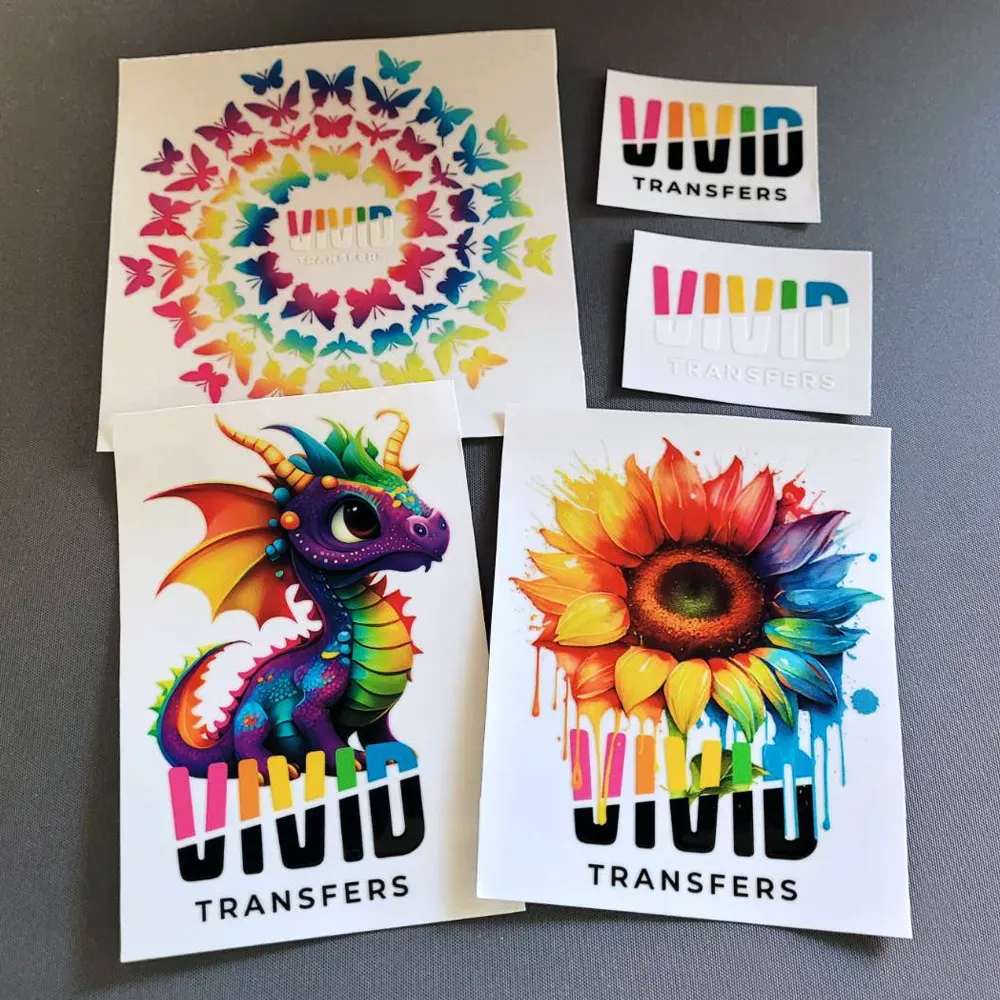
UV DTF transfers are revolutionizing the world of printing, offering a cutting-edge solution for businesses eager to elevate their product designs. Utilizing advanced UV printing technology, this method cures inks directly onto a specially coated film, allowing for seamless application on a wide variety of surfaces, from fabrics to hard materials. The durability of UV DTF transfers is impressive, enabling vibrant colors and fine details that stand out in the market. However, as with any method, it’s crucial to evaluate the DTF transfer pros and cons to make informed decisions. In this guide, we will delve into the essential tips for UV DTF transfers, ensuring you master this innovative technology for your business ventures.
When discussing UV DTF transfers, one can also refer to them as ultraviolet direct-to-film printing, which has become a prominent choice among modern printing technologies. This approach employs UV light to solidify ink on the film, providing extensive compatibility with various substrates, thus broadening its applications in multiple industries. While the concept revolves around high-quality prints, understanding the durability of UV DTF and the necessary pre-treatment steps for substrates becomes vital. Additionally, evaluating alternatives and their respective pros and cons can guide businesses toward making strategic decisions. As we explore this topic further, insights into the operational intricacies and maintenance tips will be invaluable for optimizing printing outcomes.
Understanding the Mechanics of UV DTF Transfers
UV DTF (Direct-to-Film) transfers are a cutting-edge technology that combines the best of digital printing with the versatility of transfer processes. This method involves using UV inks that are applied onto a specially treated film, which is then cured using ultraviolet light. The result is a durable and vibrant graphic that can be transferred onto various substrates, ranging from flexible textiles to rigid surfaces like wood and metal. Understanding this technology’s mechanics is crucial for businesses that want to leverage its capabilities effectively.
One of the standout features of UV DTF transfer technology is its direct approach—printing directly onto a film that is later applied to the end material. The use of UV curing ensures that the inks are hardened instantly, minimizing color bleeding and enhancing detail. Because of this immediate curing process, the UV DTF method is quicker compared to traditional DTF technologies, which may involve more complex steps and longer drying times. As a result, manufacturers can meet tight deadlines while maintaining high standards of quality.
Pros and Cons of UV DTF Transfers: A Comprehensive Overview
The advantages of UV DTF transfers are numerous, making them an attractive choice for many businesses. One significant pro is the high durability of the prints. UV-cured inks are not only resistant to scratching but are also waterproof, making them ideal for products exposed to environmental factors or frequent washing. Companies can confidently offer UV DTF printed products knowing they will stand the test of time, which is a valuable selling point in competitive markets.
However, there are downsides to consider as well. Initial setup costs for the necessary equipment can be substantial, which may deter small businesses from adopting this technology. Additionally, while UV inks offer durability, they may lack flexibility for certain applications, such as apparel that requires significant stretching. Understanding these pros and cons allows businesses to weigh their options carefully before investing in UV DTF technology.
Durability and Longevity: Key Benefits of UV DTF Transfers
When it comes to printing technology, durability is paramount. UV DTF transfers excel in this area thanks to the properties of UV-curable inks. These inks are designed to withstand harsh environmental conditions and physical abrasion, providing a long-lasting finish that doesn’t fade easily over time. This is particularly advantageous for outdoor applications, where exposure to sun and rain can quickly degrade lesser-quality print methods.
Moreover, businesses in sectors like promotional products and apparel can benefit from the longevity UV DTF transfers offer. Customers increasingly demand high-quality products that maintain their appearance after repeated use and washing. With UV DTF prints, companies can deliver on this promise, reducing return rates and enhancing customer satisfaction. This aspect of durability ultimately translates into better brand reputation and repeat business.
Substrate Compatibility: The Versatility of UV DTF Transfers
One of the defining features of UV DTF transfers is their remarkable substrate compatibility. Unlike many traditional printing methods that are restricted to specific materials, UV DTF can be applied to a wide array of surfaces, including textiles like cotton and polyester, as well as rigid materials like metal and wood. This versatility opens up new possibilities for businesses looking to diversify their product lines.
Furthermore, the ability to print on various substrates means that companies can target a broader customer base. For instance, businesses that create custom gifts can easily offer unique and personalized items on materials that resonate with their audience. This adaptability not only boosts creativity in product design but also enhances marketability, as they can cater to niche segments and wholesale opportunities.
Expert Tips for Successful UV DTF Transfers
To achieve outstanding results with UV DTF transfers, it’s crucial to follow best practices. One effective tip is to pre-treat substrates prior to the application of transfers. Pre-treatment can improve the adhesion of the inks, ensuring that the final product adheres well and maintains its print quality over time. Various techniques can be employed, depending on the nature of the substrate, and investing time in this process can yield significant returns in product quality.
Another key practice for ensuring success in UV DTF printing is regular maintenance of equipment. Keeping printers and curing units in optimal condition is vital for high-quality outputs. Failure to maintain machines can lead to inconsistent ink application and poor curing, resulting in unsatisfactory prints. Companies should dedicate resources to routine checks and cleaning, which not only prolongs the lifespan of their equipment but also enhances overall printing efficiency.
The Future of UV DTF Transfers in Printing Technology
As printing technology continues to evolve, UV DTF transfers are positioned at the forefront of innovation. The demand for higher quality prints with quicker turnaround times is driving advancements in UV ink formulations and curing processes. This trend mirrors the broader shifts in consumer preferences, where there is a growing appetite for products that are not only visually appealing but also durable and sustainable.
Moreover, as more businesses recognize the benefits of UV DTF transfers, there is likely to be an increase in collaborative efforts among manufacturers and technology providers to enhance product offerings. By investing in research and development, the industry can continue to improve substrate compatibility and print quality while reducing costs. This progression will pave the way for a new wave of creative possibilities in the printing landscape.
Frequently Asked Questions
What are the advantages of using UV DTF transfers in printing?
UV DTF transfers offer numerous advantages including high durability, vibrant colors, and versatile substrate compatibility. The UV printing technology ensures that inks are resistant to scratching, fading, and water, making them ideal for a range of applications from textiles to hard surfaces.
How does durability compare between UV DTF transfers and traditional printing methods?
The durability of UV DTF transfers is significantly superior to traditional printing methods. UV-cured inks create a strong bond that is resistant to wear and tear, ensuring that prints remain vibrant and intact even after repeated washings or exposure to outdoor conditions.
Can UV DTF transfers be applied to all types of substrates?
Yes, UV DTF transfers demonstrate excellent substrate compatibility. This printing technique can be applied to a wide variety of materials, including textiles like cotton and polyester, as well as hard surfaces such as wood and metal, allowing for diverse product offerings.
What are some tips for successful UV DTF transfers?
To achieve successful UV DTF transfers, it’s essential to pre-treat substrates for better adhesion, maintain your printing equipment regularly, and experiment with different inks and films to find the best combination for your specific applications.
What are the potential cons of using UV DTF transfers?
Potential drawbacks of UV DTF transfers include high initial setup costs and limitations in ink flexibility for certain textile applications, which can lead to cracking. Additionally, improper curing times can affect the quality and turnaround, making meticulous preparation necessary.
How does the curing process impact the quality of UV DTF transfers?
The curing process is vital in UV DTF transfers, as it determines how effectively the ink adheres to the substrate. Inadequate curing can result in poor adhesion and print quality, so ensuring proper setup and following recommended curing times is crucial for achieving optimal results.
| Key Points | Pros | Cons | Tips | ||
|---|---|---|---|---|---|
| UV DTF Transfers are a printing method using UV light to apply ink on film for transfer to various substrates. | |||||
| High durability: Resistant to scratching, fading, and water, suitable for outdoor use and frequent washing. | Initial setup costs: Significant upfront investment for equipment may deter small businesses. | Pre-treatment of substrates: Essential for strong adhesion and print quality. | |||
| Vivid colors and details: High-quality ink ensures bright colors and sharp details. | Limited ink flexibility: UV inks can crack under stretch, unsuitable for some fabrics. | Regular maintenance: Routine checks of equipment ensure quality outputs and prevent issues. | |||
| Versatile substrate compatibility: Works with textiles, wood, and metal. | Curing time: Proper substrate prep is critical to avoid delays in production. | Experimentation: Users should try different inks and films to find optimal results. | |||
Summary
UV DTF Transfers represent a groundbreaking advancement in the printing industry, providing businesses with a versatile and high-quality option for various substrates. This innovative method combines durability, brilliant color reproduction, and the ability to print on a wide range of materials, making it an increasingly popular choice among professionals. However, it’s essential for businesses to weigh the initial costs against the long-term benefits and consider the challenges related to flexibility and curing times. By implementing best practices such as substrate pre-treatment and regular equipment maintenance, companies can maximize the potential of UV DTF Transfers and enhance their product offerings to stand out in a competitive market.