


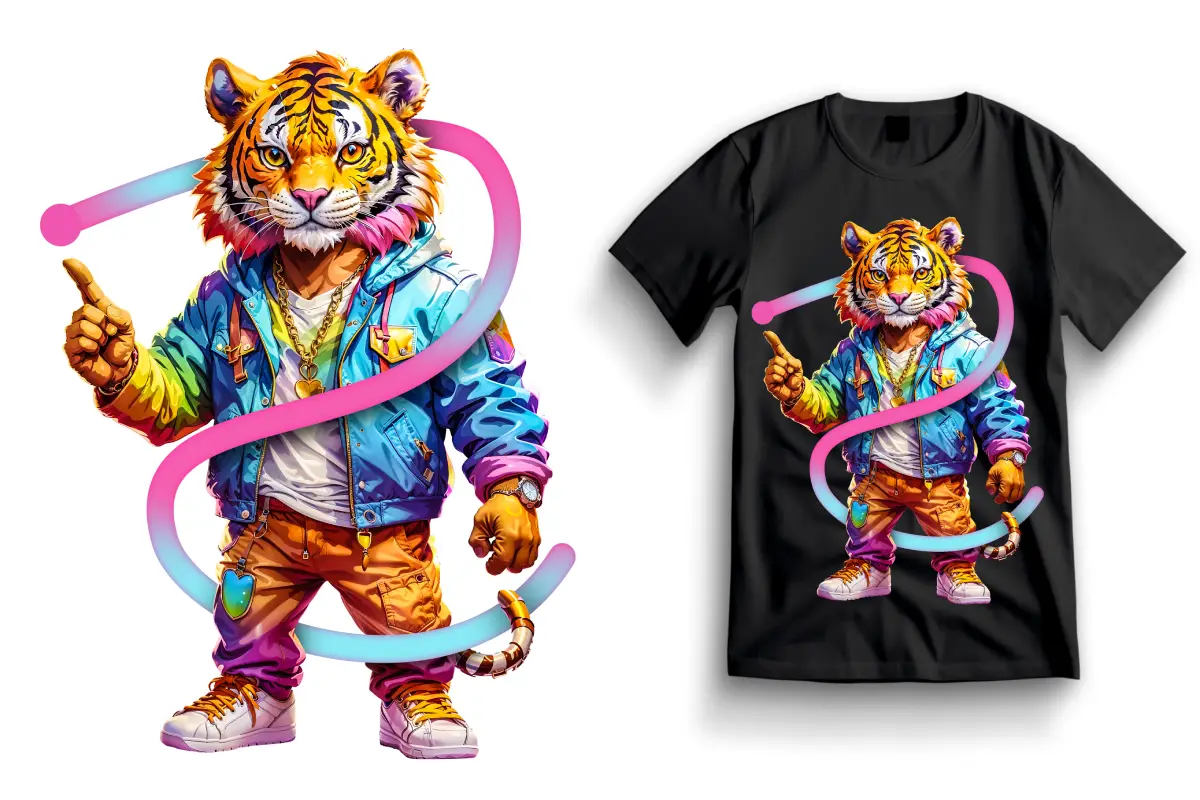
Navigating the dynamic world of custom garment printing requires a keen understanding of production efficiency and image quality. For custom apparel businesses, clothing brands, and independent designers, discovering high-yield production methods is essential to maintaining profitability. Among the various breakthroughs in textile decoration over the last decade, dtf transfers have rapidly emerged as the most reliable solution for creating sharp, vivid, and long-lasting garments. This innovative method simplifies custom apparel decoration by eliminating complex screen setups, heavy pre-treatment fluids, and restrictive color counts, allowing creators to transfer intricate, photo-quality artwork directly onto textiles with absolute precision.
The Mechanics of Direct-to-Film Innovation
To fully appreciate the impact of this technology, it is essential to understand how it functions under commercial conditions. The acronym DTF stands for Direct-to-Film, a multi-step printing process where specialized textile inks are digitally jetted onto a clear polyethylene terephthalate (PET) film layer. Once the digital design is rendered onto the film, a uniform layer of hot-melt polyurethane adhesive powder is applied across the wet ink surface. This powder is immediately cured using a heating tunnel, conveyor oven, or specialized heat press, transforming the ink and powder into a stable, flexible, and ready-to-apply transfer sheet.
The magic of this process becomes apparent during the final application phase. When the cured film is pressed against a piece of fabric under controlled heat and pneumatic pressure, the solid adhesive melts, anchoring itself deeply into the microscopic spaces between the textile fibers. Once cooled and peeled away, the graphic remains perfectly bonded to the garment, presenting an incredibly smooth, stretchy, and professional finish that rivals traditional industrial screen printing without any of the associated physical mesh limitations.
Comparing Film Transfers with Outdated Printing Modalities
The traditional garment decoration sector has long been dominated by two main choices: screen printing and direct-to-garment (DTG) printing. While both methods serve distinct market segments, they carry inherent technical drawbacks that often slow down expanding operations. Looking closely at operational efficiency highlights why modern commercial facilities are shifting their focus toward film transfer workflows.
- Material Limitations: Sublimation printing requires 100% white polyester to achieve vibrant results, and DTG systems demand high-grade 100% cotton to prevent ink bleeding. Conversely, modern film sheets adhere seamlessly to dark or light tones, pure cotton, ringspun blends, performance polyester, nylon, canvas, and heavy fleece outerwear.
- Chemical Pre-treatment Overhead: DTG decoration relies heavily on chemical pre-sprays to prevent dark fabrics from absorbing white ink layers. This extra step demands dedicated machinery, adds significant labor costs, and occasionally leaves unsightly chemical outlines on finished shirts. Direct-to-film applications skip this step entirely, saving time and resources.
- Setup Fees and Minimum Order Rules: Screen printing demands hours of preparation, including color separations, burning mesh screens, and registering heavy print carousels. This setup makes low-volume runs financially draining. Digital film transfers utilize shared layouts, making single-unit prototyping or massive wholesale runs equally cost-effective.
- Texture and Elasticity: Unlike thick plastisol silk-screen inks that feel heavy and crack over time, premium film transfers offer an ultra-thin profile with high lateral elasticity, moving naturally with the movement of the fabric.
The Strategic Importance of Local Sourcing Infrastructure
When high-volume orders land on a production manager’s desk with strict turnaround times, long international shipping windows become an immediate threat to business health. Searching online for dtf transfers near me is often the first step print shops take to secure their supply chains against unexpected delays. Establishing a reliable local partnership ensures that your business can quickly respond to market demands without carrying excess physical inventory.
Local sourcing provides tangible benefits beyond simple logistics speed. Working with an onshore producer gives print shops the ability to inspect sample proofs firsthand, verify color consistency using physical swatches, and pick up rush orders directly from the production floor. This level of immediate quality control keeps your regional supply chain secure and ensures that customer expectations are met perfectly every single time.
Identifying Premier Print Craftsmanship in the Texas Marketplace
Texas has established itself as an influential epicenter for promotional apparel manufacturing and streetwear development. For brand owners seeking elite execution, pinpointing the best dtf transfer at Houston requires a rigorous evaluation of a printing partner’s internal quality standards. The ultimate difference between an amateur print shop and a commercial-grade manufacturer lies in their adherence to environmental controls, filtration steps, and pure ingredient sourcing.
Top-tier industrial production facilities carefully control indoor humidity and room temperatures to prevent digital printheads from deflecting or clogging during long production runs. Furthermore, premium manufacturers invest in advanced automated shaking machines that distribute the adhesive powder evenly, avoiding the rough textures or un-powdered edges common in cheap alternatives. When your business sources prints from an elite Texas facility, you gain access to stable, retail-grade transfers built to withstand severe environmental wear and commercial washing machines.
Unlocking Local Operational Flexibility in Major Metro Areas
Maintaining a distinct edge in an crowded fashion market requires an agile production process. Utilizing a dedicated Houston dtf transfer service allows boutique designers and regional workwear suppliers to adapt to changing market trends almost instantly. Localized fulfillment eliminates the risk of international cargo delays, customs hold-ups, and fluctuating overseas freight costs, keeping your brand flexible and responsive.
This flexible approach allows brands to operate on a just-in-time inventory model. Instead of committing tens of thousands of dollars to pre-printed inventory that may or may not sell, business owners can store unprinted blank apparel in their warehouses and order custom film sheets as actual sales transactions occur. This cash-flow friendly model protects hard-earned capital, eliminates seasonal deadstock, and allows for infinite design iterations without financial penalties.
The Technical Blueprint for Achieving Commercial Heat Press Success
Even when you have access to the absolute highest quality film transfers available on the market, the ultimate retail durability depends entirely on the execution of the final heat pressing stage. Achieving a smooth, retail-ready finish is a precise process that requires following specific parameters. Following this professional calibration sequence ensures perfect results every time:
- Pre-heat and Dehumidify: Place your blank garment onto the lower platen of your heat press and close the machine for 4 to 6 seconds. This simple step removes natural environmental moisture from the textile fibers and smooths out deep creases, ensuring a perfectly flat surface for the adhesive layer.
- Position with Accuracy: Arrange your printed film sheet onto the fabric with the ink side facing downward. The translucent nature of the PET backing allows you to easily verify your alignments against the collar, shoulder seams, and center points before applying pressure.
- Execute the Primary Press Cycle: Set your commercial press to a temperature range between 290°F and 315°F (143°C to 157°C). Apply medium to firm pressure (approximately 45 to 55 PSI) for a duration of 12 to 15 seconds. Make sure to adjust these numbers based on the heat sensitivity of your specific substrate.
- Manage the Cooling and Peeling Stage: Observe whether your transfer film is formulated as a hot-peel or cold-peel product. For standard cold-peel films, remove the garment from the press and allow it to cool completely down to room temperature. Once cool, peel the plastic backing away from one corner in a smooth, continuous motion.
- Apply the Crucial Secondary Matte Press: Place the decorated garment back onto the press, cover the exposed artwork with a sheet of high-grade silicone parchment paper, and apply heat for an additional 5 seconds. This final step drives the adhesive deeper into the textile weave, removes any artificial plastic sheen, and delivers a premium matte finish.
Frequently Asked Questions Regarding Industrial Direct-to-Film Transfers
What is the average lifespan of these custom garment transfers?
When applied using proper heat and pressure settings, high-quality transfers are built to survive 50 to 60 thorough machine laundry cycles before showing any slight signs of weathering or edge wear. For maximum print preservation, end-users should wash their decorated apparel inside out with cold water and dry on low-heat cycles.
Can I successfully use a standard household iron for large custom production runs?
A standard household iron is generally not recommended for commercial production because it cannot provide consistent heat across its base or deliver the heavy, uniform pressure required to melt hot-melt adhesive powder correctly. For professional retail durability and reliable wash fastness, a dedicated manual or pneumatic heat press is highly recommended.
What causes a film print to crack or pull away from the fabric during laundry cycles?
Early peeling or cracking is typically caused by insufficient heating temperatures, uneven pressure distribution across the heating element, or failing to remove trapped moisture from the garment during the pre-pressing stage. Using an external digital infrared thermometer helps confirm that your heating elements are accurate and uniform.
How do I handle application tasks on delicate synthetic fabrics?
When decorating delicate materials like performance nylon or sublimated polyester, you should lower your press temperature closer to 275°F (135°C) and extend the pressing time slightly. Additionally, using a specialized anti-bleed or black adhesive powder helps block migrating synthetic dyes from discoloring your white or light-colored graphic elements.
Maximizing Your Brand Potential with Premium Film Technology
Adapting to modern apparel decoration techniques is essential for businesses that want to grow in a competitive custom clothing industry. By incorporating high-performance digital transfers into your existing production line, you remove traditional design limitations, reduce manual labor costs, and expand your service offerings to cover almost any fabric option on the market. Harwin DTF provides the technical accuracy, manufacturing consistency, and dedicated localized assistance required to keep your business running smoothly. Partnering with a specialized production facility allows your company to confidently handle complex, multi-colored orders and focus on what matters most: growing your brand equity and delivering exceptional value to your target audience.