


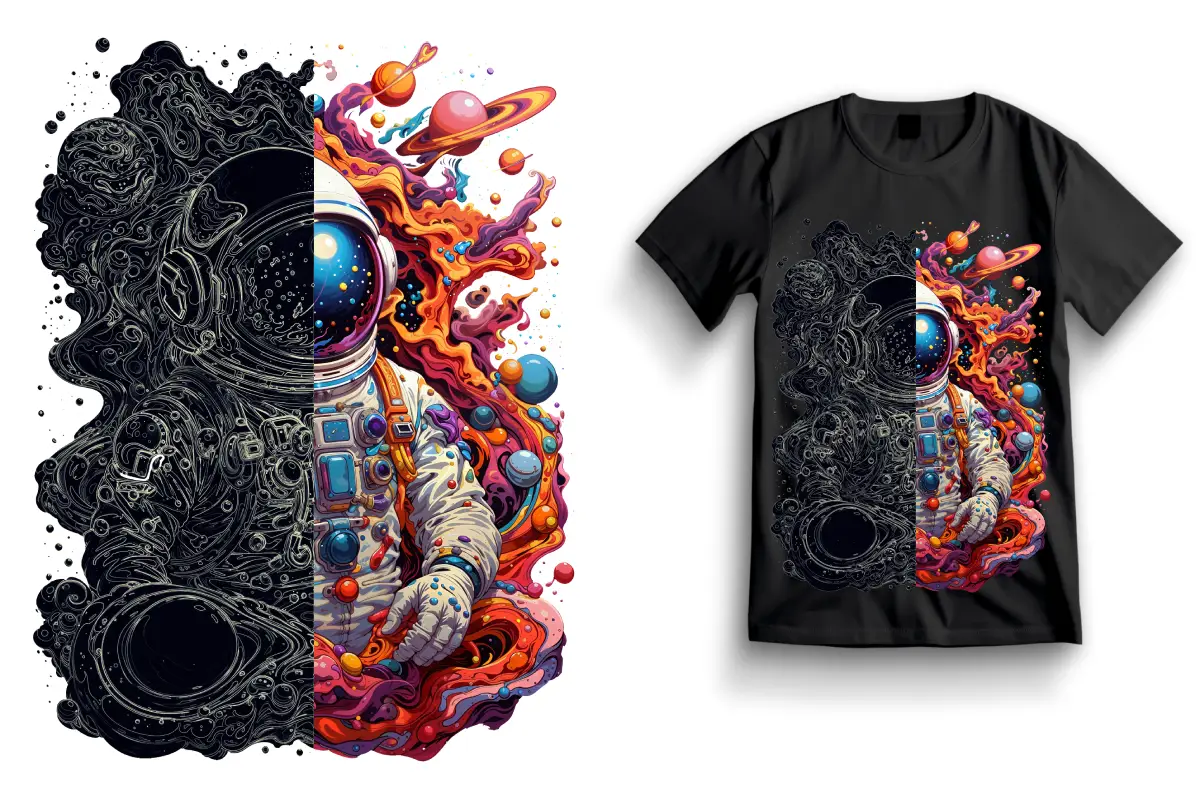
The apparel manufacturing space is moving through a highly transformative phase where production speed, sharp detailing, and absolute fabric flexibility dictate economic success. For a long time, boutique operators and mid-sized commercial printers found themselves trapped between the extreme setup costs of multi-color screen printing and the fragile nature of vinyl weeding. Today, the rapid evolution of professional dtf transfers has introduced a completely decentralized manufacturing model, decoupling the graphic printing phase from the mechanical garment pressing stage. This technological shift enables independent brands and commercial printers to create high-resolution retail products on demand, utilizing a system that eliminates screen setups and offers outstanding longevity across diverse textile markets.
The Core Physics of the Direct to Film Process
To establish a flawless daily production routine, workshop managers must look past surface application steps and understand the exact material interactions that make up the DTF printing system. This methodology does not inject liquid inks into the porous fibers of a garment right away. Instead, a mirrored digital file is processed by special software and printed directly onto a clear polyethylene terephthalate carrier film that features an industrial-grade matte release coating.
The industrial inkjet machinery executes this printing process by layering inks in a single continuous pass. The system prints the full color spectrum pigments first to capture tiny design gradients and photograph-quality details, then instantly blankets the entire wet area with a dense layer of solid white background ink. This white layer acts as a critical opaque foundation, ensuring that the completed design retains perfect vibrancy whether you apply it to a pitch black sweatshirt or a bright neon polyester jersey.
While the white ink coating remains entirely wet, the carrier sheet moves through an automated powder shaker unit where a uniform layer of premium thermoplastic polyurethane adhesive powder is applied across the graphic. The sheet then travels through a calibrated infrared curing tunnel or a conveyor heating oven. This thermal process turns the loose powder into a smooth, rubberized, and highly flexible adhesive matrix. When a technician eventually positions this cured transfer sheet over a blank item of clothing and closes the heating platen of a high-pressure commercial heat press, the polyurethane layer melts one final time, fusing the ink pigments deep into the weave of the textile to build an industrial grade molecular bond.
Why Modern Decoration Facilities Abandon Legacy Systems
Traditional screen printing served as the gold standard for high-volume custom garment production for decades. While it remains highly cost-effective for simple vector logos printed in massive bulk quantities, it becomes slow and prohibitively expensive when processing multi-colored photographic artwork. Every unique shade requires a separate physical screen mesh to be exposed, registered, and thoroughly washed down. Early digital direct options promised to resolve these color restrictions but introduced strict fabric compatibility rules, requiring heavy liquid pre-treatments and confining successful production almost exclusively to pure cotton apparel.
Modern commercial film transfers successfully bypass these historical production limitations, offering a comprehensive suite of business advantages that directly enhance daily print shop profitability:
- Universal Substrate Versatility: You can apply these graphics to 100 percent cotton, synthetic polyester, performance nylon, spandex blends, denim, leather, and heavy canvas accessories using identical inks and press settings.
- Immaculate Fine Line Resolution: Because the ink sets completely on a dimensionally stable plastic film instead of spreading across porous textile threads, tiny text details, intricate distressing, and complex photographic gradients retain absolute clarity.
- Complete Elimination of Inventory Waste: Multiple small, highly intricate customer logos can be nested tightly together on a single master roll of transfer film, making it just as profitable to produce a single custom prototype as it is to run a massive batch of one thousand garments.
- Elastic Hand Feel and Superior Stretch: The specialized polyurethane adhesive allows the completed graphic to stretch, flex, and breathe naturally with the underlying fabric instead of creating a stiff, heavy plastic barrier across the chest of the wearer.
Overcoming Supply Disruptions via Regional Printing Operations
Because fashion trends move instantly and corporate clients expect rapid fulfillment, apparel decorators frequently look for high-grade dtf transfers near me to minimize transit times, lower shipping costs, and eliminate international logistical delays. Having a dependable local or regional production house creates a vital security blanket when a sudden corporate event requires immediate fulfillment or a viral online design demands instant inventory scaling.
However, garment decorators must recognize that geographic convenience should never take precedence over strict mechanical precision. Building a premium commercial transfer requires a perfect chemical balance between industrial printheads, stable ink viscosity, and moisture-controlled environment rooms. If a nearby supplier relies on converted desktop machinery or cuts corners on thermal curing temperatures, the resulting prints will split under tension, fail to peel cleanly during production, or degrade after a couple of cycles through a domestic washing machine. Working with a dedicated facility utilizing wide-format industrial hardware is mandatory for protecting your brand reputation.
The Gulf Coast Quality Standard: Sourcing the Best DTF Transfer at Houston
Texas has quickly grown into an influential national hub for custom textile manufacturing, with thousands of independent businesses demanding heavy-duty print performance and rapid production turnaround times. Finding the absolute best dtf transfer at Houston requires selecting a dedicated production facility that operates industrial, multi-head printing machinery backed by extensive background experience in textile chemistry. The intense summer heat and high atmospheric humidity of the Gulf Coast mean that raw components must be stored and processed under strict environmental controls.
Procuring your custom production films from a premier regional supplier guarantees that your graphics are printed in fully climate-controlled rooms with automated ambient moisture regulation. This strict quality control prevents the water-based textile inks from drying out prematurely inside the microscopic nozzle channels and guarantees that the hot-melt powder cures evenly across the graphics. When these premium sheets arrive at your facility, they perform predictably under the heat press, lowering your scrap rates to zero and protecting your blank garment investments.
Strategic Business Scaling with a Premium Houston DTF Transfer
Integrating a professional Houston dtf transfer service into your daily production line provides your custom apparel brand with a massive strategic edge over your competitors. Instead of locking up large amounts of liquid cash flow in pre-printed warehouse inventory that might become obsolete, boutique store owners and merchandise printers can maintain a lean, just-in-time production model. You can confidently list a wide variety of colorful designs on your website, accept customer funds upfront, and apply the transfers on demand as orders come through.
To secure the longest possible service life and retail quality from these premium regional transfers, your workshop staff should adhere to a structured application process. Always pre-press your blank t-shirts or hoodies for roughly five seconds to drive out natural atmospheric moisture and flatten out fabric wrinkles. Ensure your commercial heat press machine applies firm, uniform pressure across the whole surface, and use a reliable digital thermometer to verify that the heating core matches the supplier’s recommendations. These basic quality controls ensure a permanent molecular bond that stays pristine for years.
Frequently Asked Questions
How many laundering cycles will a professional film transfer survive before splitting?
When printed using industrial-grade inks and high-grade polyurethane adhesive powders, these commercial transfers easily endure more than 50 standard machine washings. To optimize the lifespan of the print and keep colors looking vibrant, it is best to wash the decorated garments inside out using cold water and dry them on low-temperature settings.
Can I apply these industrial transfers using a standard household clothing iron?
While an iron can technically melt the adhesive backing, it is strongly discouraged for retail-grade products. A commercial heat press is absolutely necessary to deliver the uniform heavy pressure and exact, continuous temperature required to drive the melted polyurethane deep into the garment fibers for a permanent hold.
What digital file setups deliver the cleanest print results for high-resolution graphics?
For the cleanest results, designers should provide high-resolution vector graphics in PDF, EPS, or AI formats. If you are submitting raster imagery like PNG or PSD files, ensure the artwork has a fully transparent background and holds a minimum resolution of 300 DPI at the exact physical print dimensions needed.
Is it possible to apply these graphics to sublimated polyester without dye migration?
Yes, but it requires specialized materials. Standard white inks can suffer from dye migration, where the synthetic polyester dyes bleed into the graphic. To prevent this, print facilities utilize specialized low-bleed or anti-migration black adhesive powders that act as a chemical shield, blocking the active fabric dyes from rising.
Building a profitable custom apparel brand in a crowded market requires relying on dependable production tools and trusted material partners who never compromise on quality. At Harwin DTF, we are fully committed to providing commercial-grade output accuracy, magnificent color saturation, and rugged wash durability with every custom roll we fulfill. Whether you are expanding a boutique streetwear line or coordinating massive promotional merchandise campaigns for corporate clients, our state-of-the-art facility delivers the premium printing solutions your business needs to stay ahead. Reach out to Harwin DTF today to discuss our bulk commercial options and learn how we can optimize your workshop production pipeline.
Anahtar Kelime: DTF
Kategori: DTF Transfers